
Children Education | Family Activities
From Read-Aloud Time to a Simple Family Activity
· By One Mom's Guide · 3 min read
Disclosure: This article is part of a no-payment resource exchange between Market Me Global and One Mom's Guide. One Mom's Guide hosts the agreed Mira & Yetix samples, and this page introduces and links to its accompanying article.
Finishing a story does not have to mean starting an elaborate project. A familiar moment, a question or a little pretend play can be enough. For a parent managing a busy home day, the useful activity is often the one that can begin without finding supplies and end without a cleanup session.
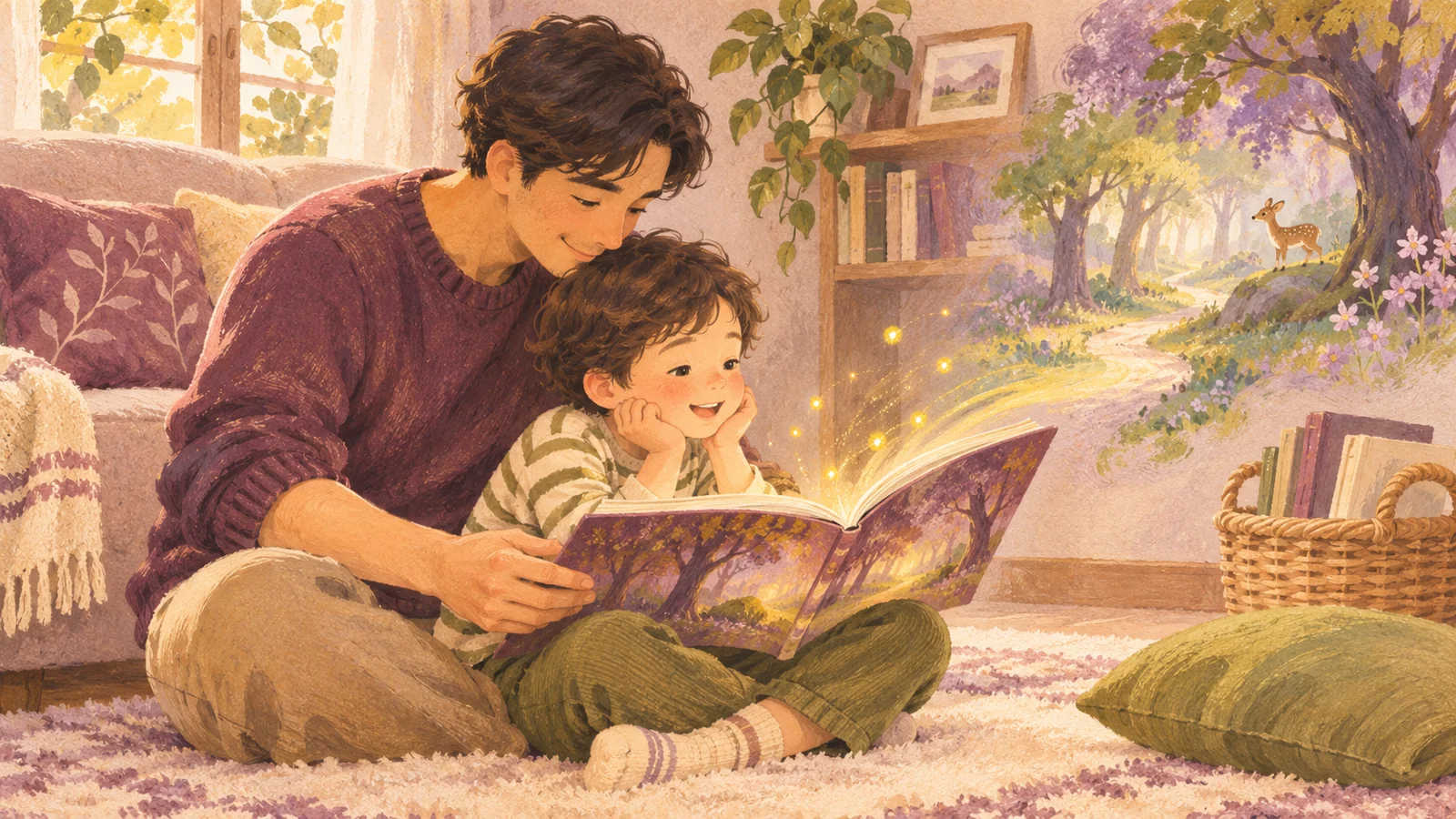
Start with a story your child wants to hear. Read it for its own sake before deciding whether to extend it. If your child is ready to do something else, that is a perfectly reasonable ending. The activity is an invitation, not a requirement attached to the book.
Pick one moment, not the whole plot
Choose a simple action or image: a character waving, a leaf falling, a friend waiting. You do not need to recreate every scene. One small idea makes it easier to follow your child's interest without turning the afternoon into a performance.
For example, a story about walking through an imaginary forest might lead to pointing along an imaginary path. A story about friends could lead to taking turns choosing what happens next. The connection can be loose. You are sharing play, not testing whether your child has remembered the story.
Show one idea, then let your child lead
If you choose to extend the story, keep the first suggestion small. You might say, “Shall we wave like that character?” or “Can you show me how the leaf moved?” One invitation is usually easier to follow than several instructions at once.
You might copy their gesture or follow their description of a scene. You do not need to correct imaginative changes to the plot. Stop or switch activities when the child loses interest, gets tired or seems uncomfortable.
A printable example: Mira & Yetix
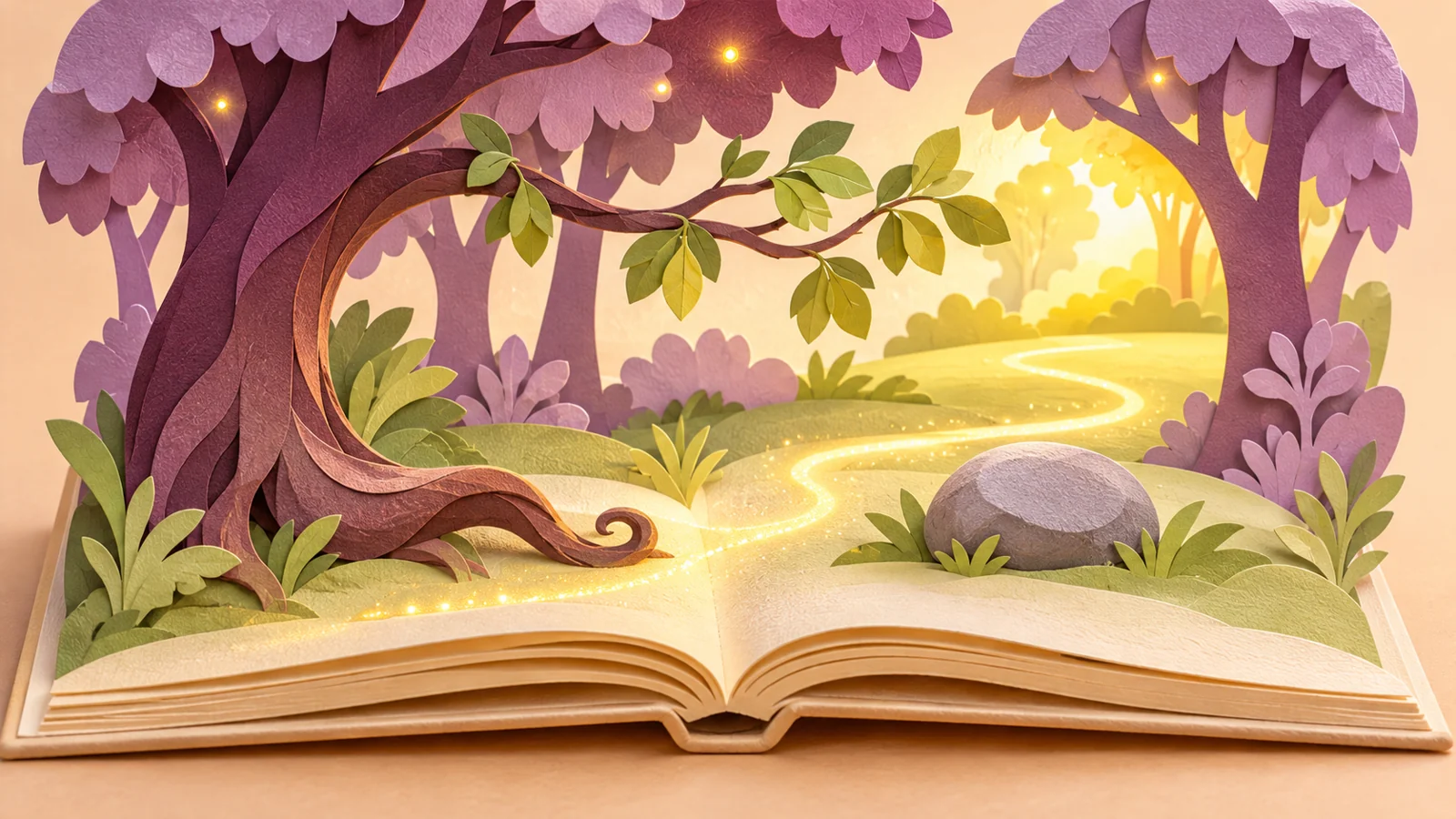
The standalone “Follow the Glow” sample provides a short story with its own ending and a separate “Follow the Leader” activity. The three activity cues are a root, a branch and a stone. The instructions pair them with a step on the spot, a small knee bend and a small step sideways, with seated hand gestures as an option.
The creator suggests ages 3–7 with a grown-up, based on his own evaluation rather than a formal developmental assessment. The instructions call for adult presence, a clear level space and small movements. They do not require jumping, punching or kicking.
One Mom's Guide's free read-aloud story and movement printable article hosts the agreed English and Arabic samples and explains how to use them. The standalone files are for free personal, non-commercial viewing, downloading and printing, with the creator credit and link retained. The full comic and video are separate resources.
Finish without adding another task
One turn can be enough. Ask a question if it feels natural, or return to whatever comes next in your day. You do not need a finished craft, a photograph or a measurable outcome to justify the time together.
For another day, keep the printable where you store your read-aloud books. Reuse it if your child asks, or choose a different story. A short activity works best when it remains easy to offer and easy to leave.
About One Mom's Guide: One Mom's Guide publishes practical ideas for home routines and play with young children. This contribution describes an activity approach, not a child-testing study or a promise of developmental results.